Why Does an Acoustic Piano Need Regular Maintenance?
Acoustic Pianos Change Over Time, Even When They Are Not Used Frequently
An acoustic piano consists of thousands of mechanical components, including strings, hammers, keys, and parts made of wood and felt, all manufactured to precise specifications. During use, these components move continuously and are affected by tension, friction, temperature, and humidity.
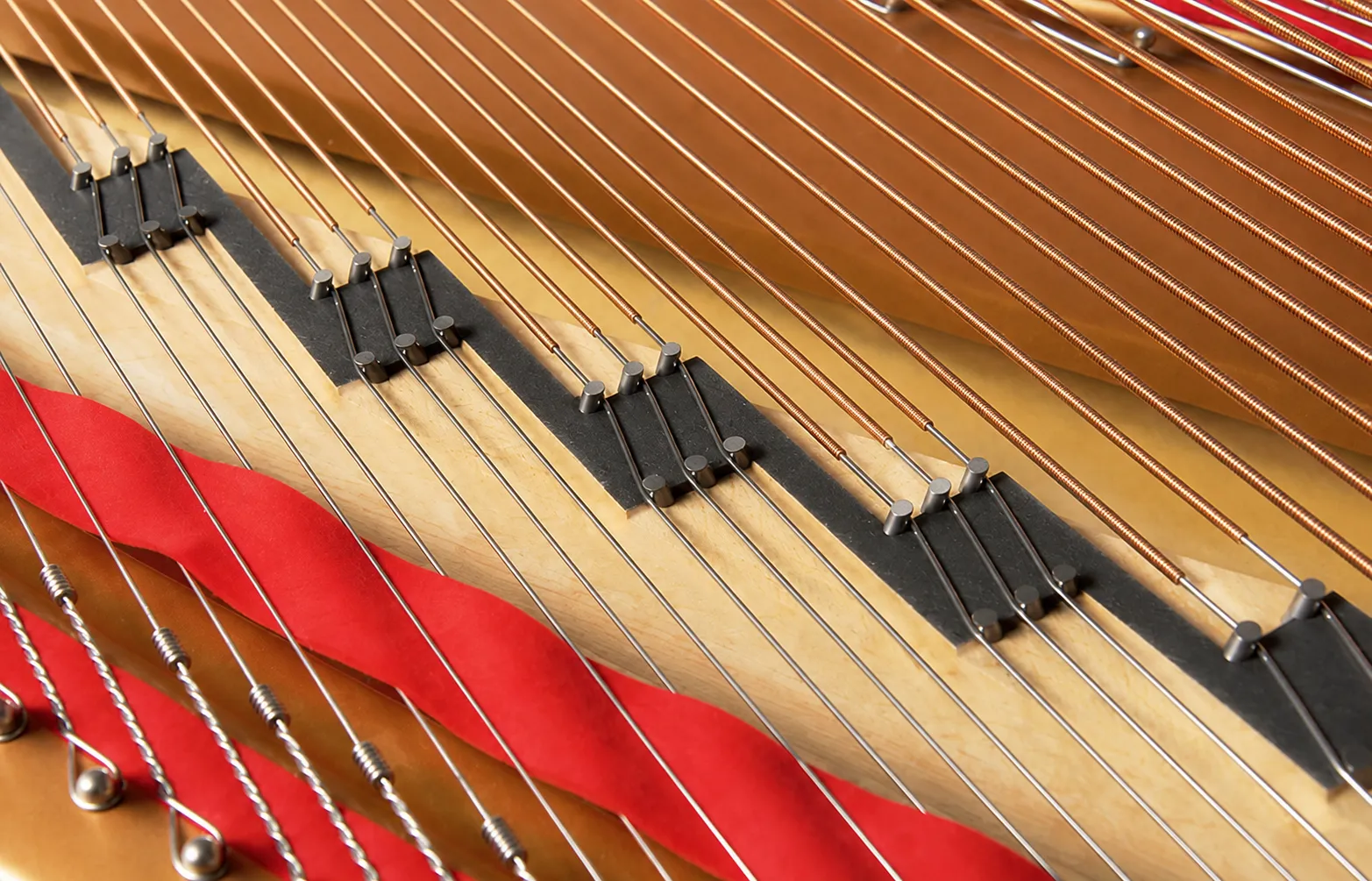
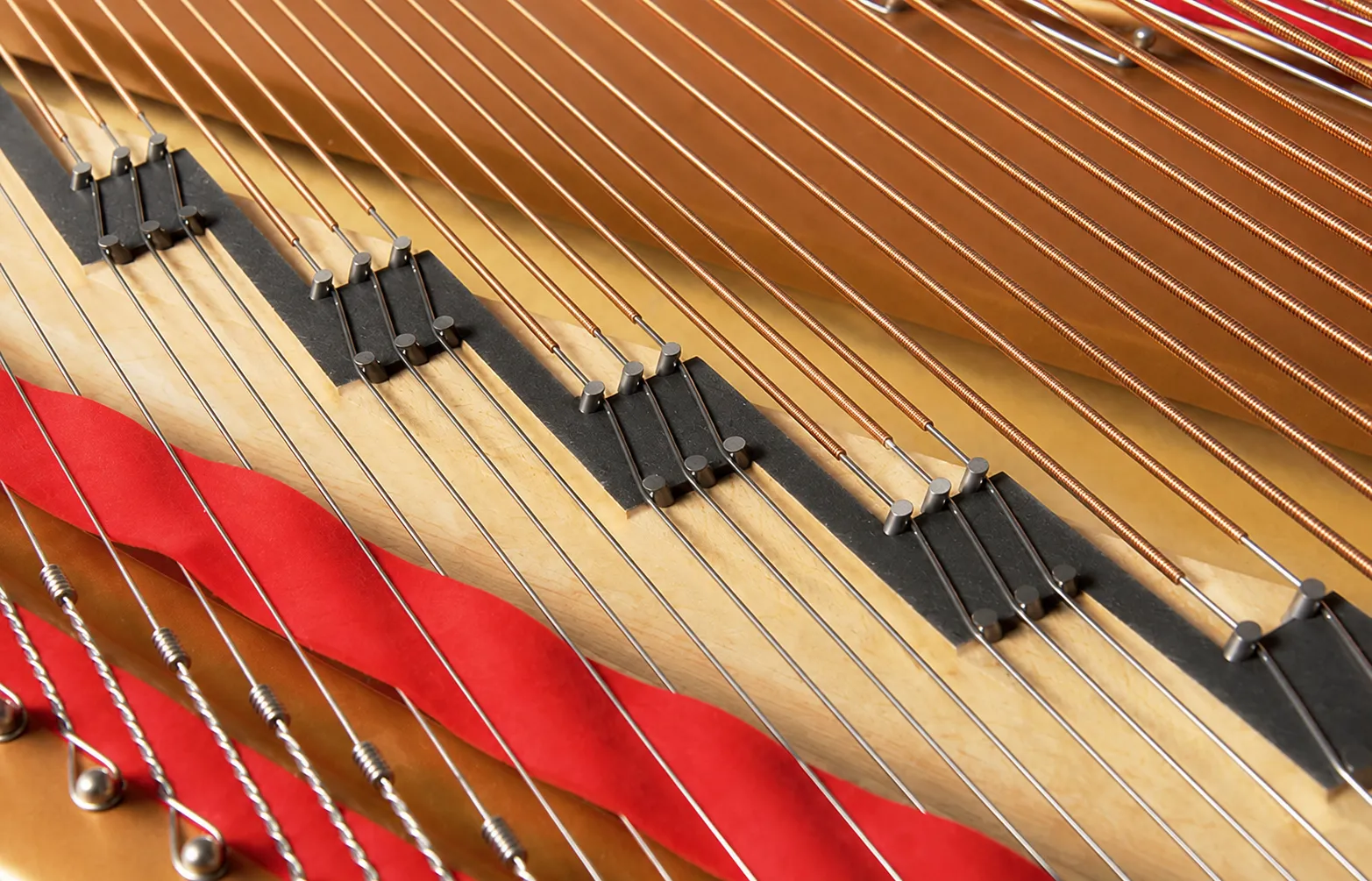
Piano strings are constantly under high tension to produce the correct pitches. Over time, string tension can change, causing individual notes to drift out of tune. Without regular tuning, the piano may gradually lose its original tonal consistency.
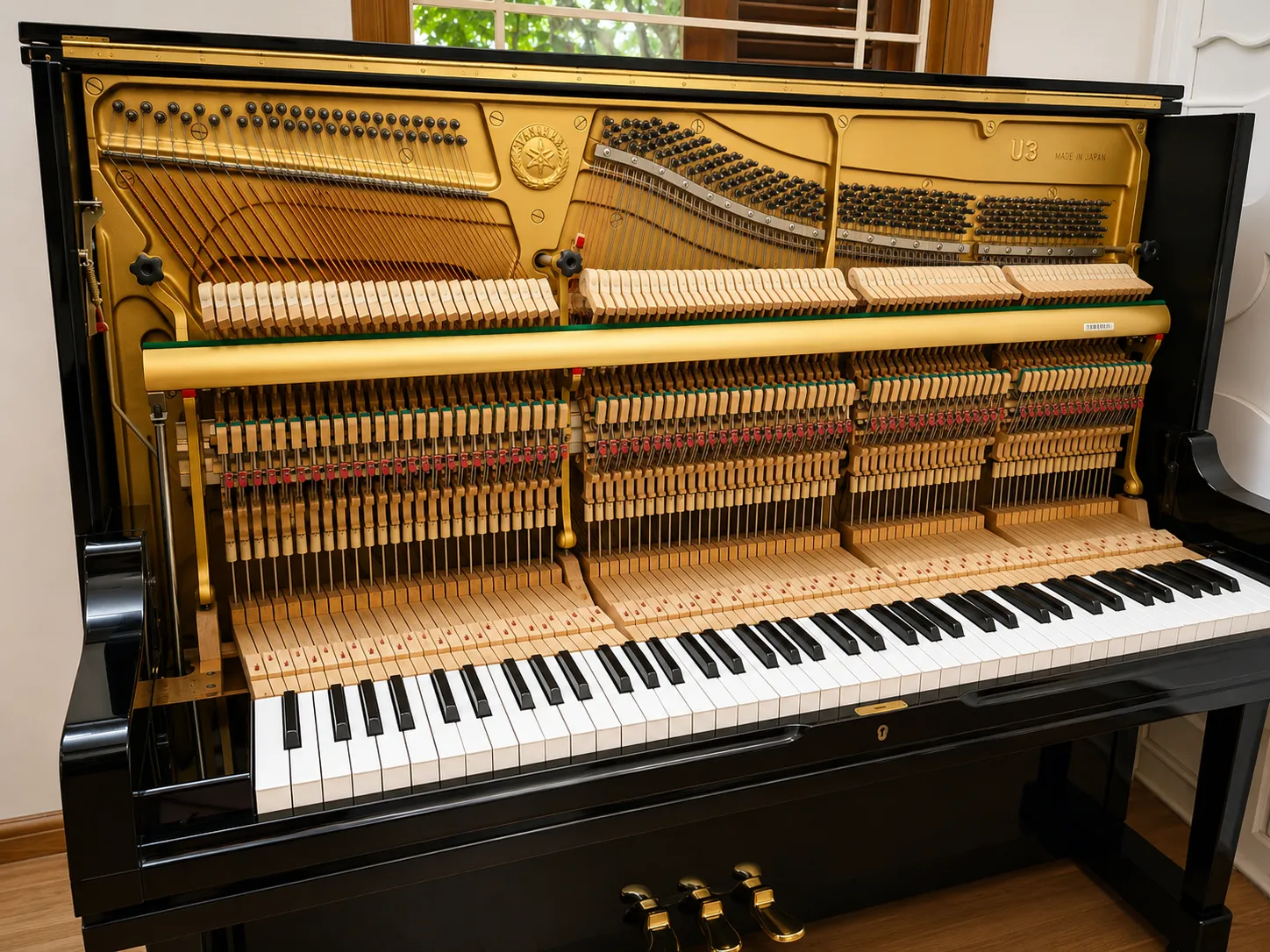
The strings are not the only components that change. The internal action mechanism is also affected by thousands of keystrokes. Contact points, moving joints, and felt components can wear or change over time, causing the keys to respond inconsistently. Some keys may feel lighter or heavier than others, respond more slowly, or fail to return to their normal position properly.
Common Changes in Acoustic Pianos
Changes in String Pitch
Each piano string is maintained at a specific tension. Over time, changes in tension can cause individual notes to go out of tune.
When multiple strings change tension at different rates, the pitch relationships between notes are also affected. The piano may sound less clear and balanced, particularly when playing chords or passages in which several notes sound simultaneously.
Changes in Key Response
An acoustic piano has a complex mechanical action beneath each key. When a key is pressed, its movement is transmitted through the action mechanism, causing the hammer to strike the string.
After prolonged use, contact points and internal materials may wear down or change due to friction. This can result in uneven key resistance, sluggish response, or an inconsistent playing feel across the keyboard.
Changes in Hammer Condition
The hammer is the component that strikes the strings to produce sound. Each time the piano is played, the hammer's felt surface contacts the strings and gradually develops wear patterns.
With extended use, particularly during forceful playing, the shape and elasticity of the hammer felt can change. As a result, the tone may become harsh, overly bright, or less balanced across different registers of the keyboard.
The Effects of Humidity and Temperature
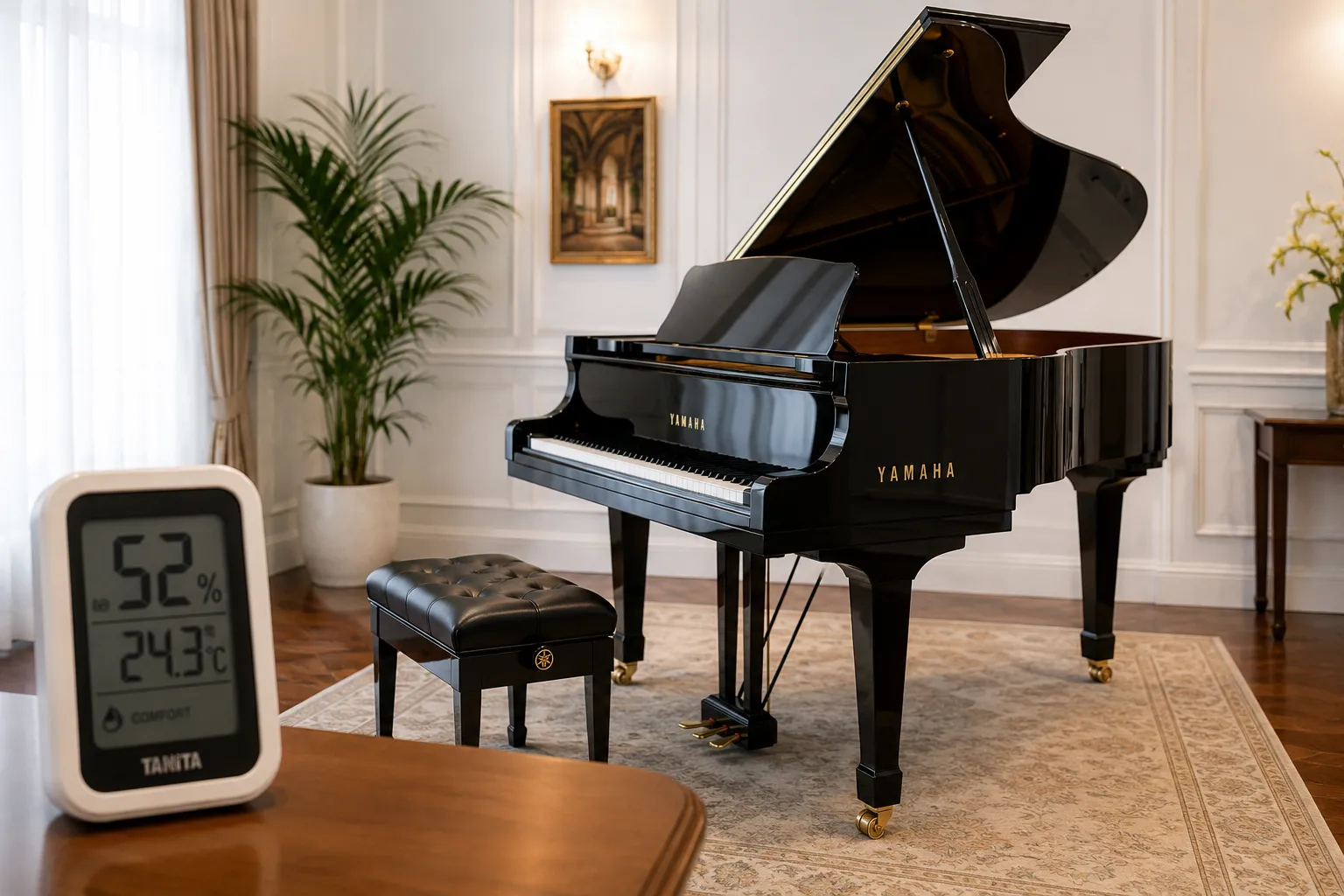
Acoustic pianos contain many natural materials, including wood and felt, whose properties change in response to environmental conditions.
High humidity can cause certain wooden and felt components to absorb moisture, increasing friction and affecting the movement of the action mechanism. Conversely, excessively dry conditions or significant temperature fluctuations can cause materials to expand or contract, affecting the piano's stability.
This explains why an acoustic piano may develop changes in key response, tone, or overall stability even when it is not played very often.
Piano Maintenance Involves More Than Cleaning
Cleaning the exterior helps keep a piano looking its best, but it cannot replace the inspection and maintenance of its internal components.
Acoustic piano maintenance typically involves several tasks:
-
Tuning: Adjusting the pitch of the notes to the correct standard.
-
Action regulation: Adjusting the movement, responsiveness, and consistency of the keys and action mechanism.
-
Hammer adjustment: Helping achieve a more balanced tone across the keyboard.
-
Pedal inspection and adjustment: Ensuring that the pedals operate correctly and respond consistently.
-
Internal cleaning: Removing dust and debris that may interfere with mechanical components.
-
Overall inspection: Identifying early signs of problems, such as sticking keys, buzzing sounds, unusual noises, or loose components.
Tuning and regulation not only improve the piano's sound and playing response but also help identify potential mechanical problems at an early stage. During the tuning process, a technician can assess the piano's condition and address technical issues when necessary.
Acoustic Piano Tuning
Piano tuning is the process of adjusting the pitch of individual notes by changing string tension through the tuning pins.
The technician uses a tuning hammer to make precise adjustments to each tuning pin. As the pin is adjusted, the string tension changes, bringing the note closer to the correct pitch.
For notes produced by multiple strings, the technician must adjust the strings so that they are accurately matched in pitch. This helps produce a stable, clear tone without unwanted beating or discrepancies between strings.
Tuning is not simply a matter of correcting a few notes that sound out of tune. It involves checking and adjusting pitch throughout the entire keyboard. When the notes are accurately tuned and balanced, the piano can produce more consistent pitch and harmonious sound.
Contact TAPPIANO
TAPPIANO provides acoustic piano tuning, maintenance, regulation, and repair services in Hanoi, Vietnam.
For consultation or to schedule a service appointment, please contact us at:
Phone: +84 968 807 718